EN
EN

What are the differences between fully-automatic and semi-automatic plastic blow molding machines?
Time : 2025-12-15
Production efficiency and operational automation
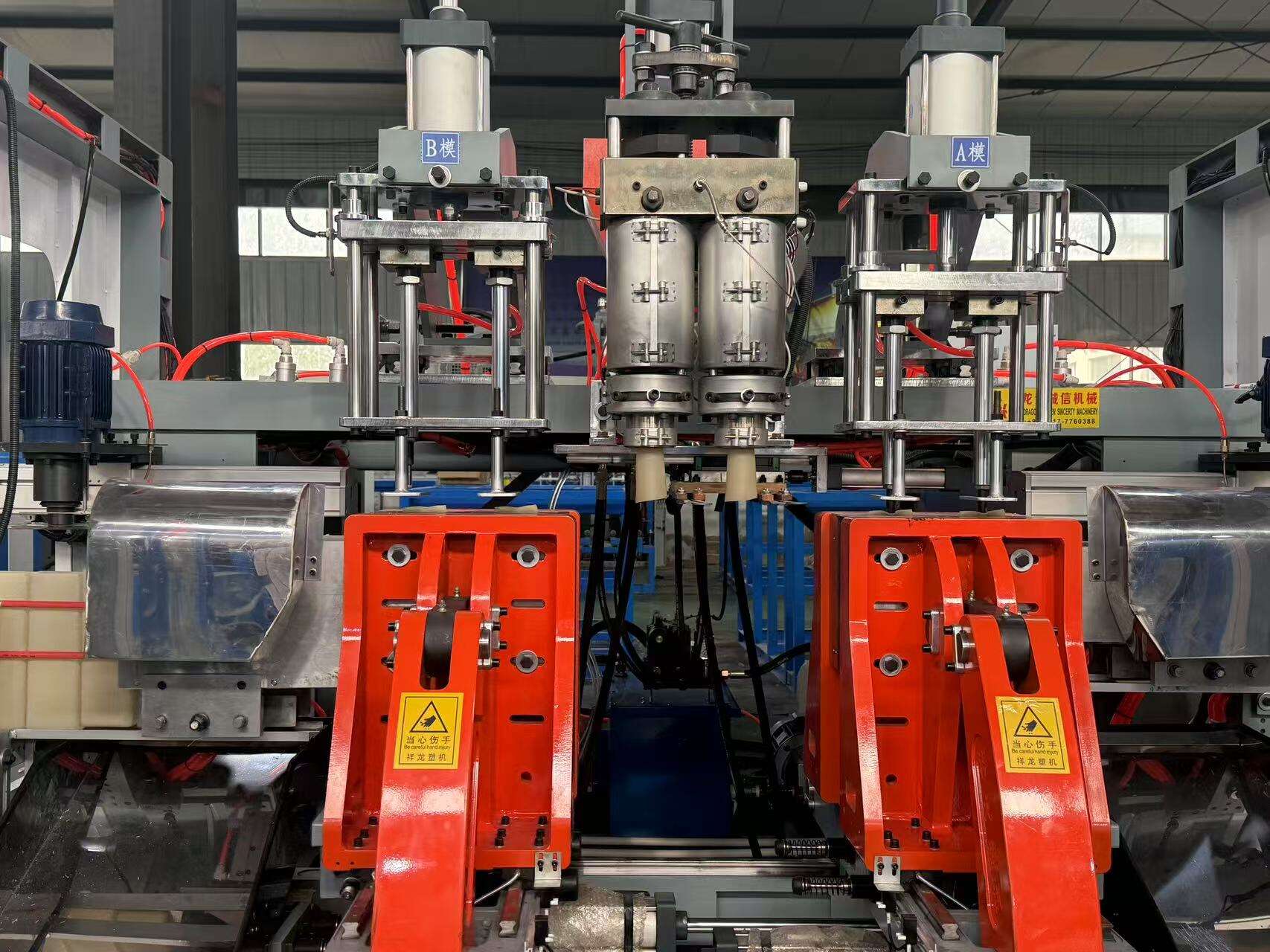
The most obvious difference between fully automatic and semi automatic plastic blow molding machines lies in production efficiency and automation level. A fully automatic plastic blow molding machine can complete the entire production process from material feeding to finished product output without much manual intervention. It integrates multiple functions such as extrusion clamping mold shifting and blow molding, running continuously at a fast pace. This makes it ideal for large scale production as it can produce hundreds or even thousands of plastic products per hour. On the other hand, a semi automatic plastic blow molding machine requires manual participation in key links. For example, operators need to manually place the parison into the mold or take out the finished products after molding. This manual involvement slows down the production speed, so it’s more suitable for small batch production or businesses with low output demands. The gap in automation directly leads to differences in production efficiency, which is a key factor for businesses to consider when choosing a plastic blow molding machine.
Labor cost and operational requirements
Labor cost and operational difficulty are important differences between the two types of plastic blow molding machines. A fully automatic plastic blow molding machine relies on advanced control systems to run automatically, so it only needs a small number of operators to monitor the machine’s operation and handle occasional issues. This greatly reduces labor costs, especially for businesses with long term mass production. However, the operation of a fully automatic plastic blow molding machine requires operators to have professional knowledge to set parameters debug the machine and maintain its normal operation. In contrast, a semi automatic plastic blow molding machine needs more operators to complete manual operations. Each machine may require one or two operators to assist in the production process, leading to higher long term labor costs. But the operational requirements for semi automatic models are relatively simple. Operators can master the basic operation skills through simple training without in-depth professional knowledge. This makes semi automatic plastic blow molding machines more accessible for small businesses or those with limited technical personnel.
Investment cost and return on investment
There is a significant difference in investment cost between fully automatic and semi automatic plastic blow molding machines. A fully automatic plastic blow molding machine has complex structures advanced technology and integrates multiple automated components, so its initial purchase price is much higher. For many small and medium sized businesses, this is a considerable investment. However, in the long run, the high efficiency and low labor cost of fully automatic models can bring faster return on investment. Especially for businesses with stable large orders, the higher investment can be quickly recovered through increased production capacity and reduced operational costs. On the contrary, a semi automatic plastic blow molding machine has a simpler structure and lower technical content, so its purchase price is more affordable. This lowers the entry threshold for businesses with limited funds. But due to lower production efficiency and higher labor costs, the return on investment is relatively slower. Businesses need to choose the right plastic blow molding machine based on their own financial strength and production scale to balance investment cost and return.
Product consistency and quality control
Product consistency and quality control capabilities are another key difference between the two. A fully automatic plastic blow molding machine uses precise electronic control systems and advanced technologies such as electric clamping and electric mold shifting, which can ensure that each production step is carried out with high precision. This results in finished products with uniform thickness consistent shape and stable quality. The machine’s automated quality monitoring system can also promptly detect and reject defective products, further improving the overall product qualification rate. For industries with strict quality requirements such as food packaging and medical supplies, a fully automatic plastic blow molding machine is more reliable. In contrast, the quality of products produced by a semi automatic plastic blow molding machine is more affected by manual operations. Differences in manual placement of parisons or uneven force application during molding may lead to variations in product quality, resulting in lower consistency. Although operators can conduct quality inspections, the efficiency and accuracy are not as good as automated systems. Therefore, semi automatic models are more suitable for products with relatively loose quality requirements.
Flexibility and application scenarios
Flexibility and applicable scenarios also distinguish fully automatic from semi automatic plastic blow molding machines. A semi automatic plastic blow molding machine is more flexible in production. It can easily switch between different molds and adjust production parameters to adapt to the production of various types and sizes of plastic products. This is very advantageous for businesses that need to produce multiple varieties of products in small batches, such as small scale manufacturers of daily plastic products or special plastic parts. However, a fully automatic plastic blow molding machine has higher requirements for mold replacement and parameter adjustment, which takes more time and effort. It is more suitable for continuous production of a single type or a few types of products, such as large scale production of laundry detergent bottles chemical barrels or other standardized products. In addition, fully automatic plastic blow molding machines are widely used in industrial sectors such as packaging automotive and chemicals due to their high efficiency and stable quality. Semi automatic models are more commonly used in small workshops local factories or businesses with intermittent production needs.