EN
EN
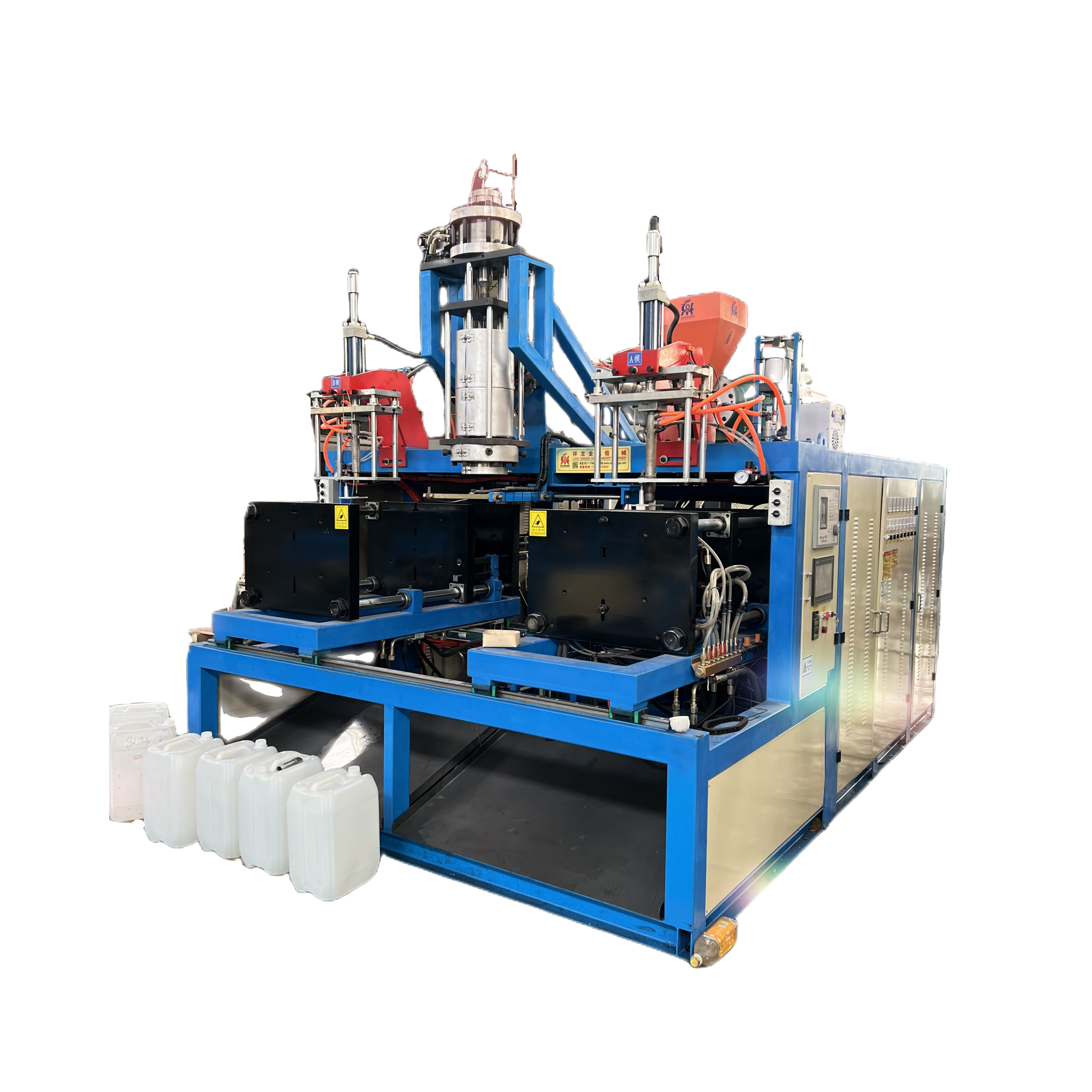
Blow molding allows manufacturers to create hollow plastic containers such as jerry cans. This process assists businesses in meeting requirements for high production volumes while maintaining durability and low costs. Productivity and waste can be improved significantly by optimizing each step of the blow molding process.
Choosing the Right Blow Molding Machine
Getting started with efficient jerry can production begins with picking the right blow molding equipment. Most manufacturers deal with three primary options these days extrusion blow molding, injection blow molding, and stretch blow molding. For standard jerry cans though, extrusion remains by far the industry favorite because it handles those thick-walled containers so well. When shopping around for machinery, there are several factors worth considering beyond just price tags. Look at how fast the machine can crank out units per hour, check if it works properly with the plastic resins being used, assess how automated the process needs to be for daily operations, and don't forget to factor in electricity consumption costs. Machines that match up well with what's actually needed on the factory floor tend to cut down on wasted time between cycles, save money on power bills month after month, and produce consistently good quality products without all those frustrating defects that cost extra in rework.
Material Considerations for Durable Jerry Cans
Jerry cans are typically made from High-Density Polyethylene or HDPE because it's strong, resists chemicals pretty well, and stays flexible even when things get rough. The thing about HDPE though? Not every type works equally well for different applications. Manufacturers need to pick the right grade that matches what they want in terms of how long it will last, what temperatures it needs to handle, and whether it meets safety standards. Some companies also add stuff like UV stabilizers to their HDPE mixtures. These additives help protect against sun damage so products stored outside don't degrade as quickly over time.
Effective Mold Design Â
Good mold design finds that sweet spot between making quality products and keeping production cycles short enough to meet demand. When designers get the molding surfaces right, parts come out with consistent wall thickness throughout, nice smooth finishes without blemishes, and measurements that match specs exactly. The way parts come out of the mold matters too. Better cooling channel layouts help parts eject smoothly while reducing defects like sink marks or warping. Multi cavity molds definitely boost output numbers, but getting them to produce identical parts across all cavities takes really careful setup work. Even small calibration errors can lead to quality issues down the line when running high volume production runs.
Improvement Process Â
When working with blow molding, several key factors stand out as particularly important for success. Extrusion temperature, parison length, blow pressure settings, and cooling duration all play critical roles in determining final product quality. Keeping an eye on these variables helps manufacturers fine tune their processes for optimal results. Real time data tracking systems have proven invaluable for managing production timelines effectively across multiple shifts. Beyond just monitoring equipment, regular maintenance routines combined with automated systems for repetitive tasks make a world of difference. Many shops now rely on precision trimming robots to handle delicate post-molding work, which not only improves consistency but also cuts down on waste and labor costs over time.
Waste and Sustainability Â
An optimally designed jerry can must feature characteristics that reduce energy expenditure and overall material waste. Implementing energy efficient machines, and optimizing parison programming, can reduce overall production waste. A step further to aid in meeting the eco-friendly standards is designing jerry cans that are easier to recycle.
Conclusion Â
Blow molding stands out as one of the best methods for making jerry cans because it offers real advantages when it comes to adapting to different needs, scaling up production, and getting things done efficiently. When manufacturers invest in proper equipment, work with good quality raw materials, and maintain strict control over the process parameters, they see better output rates without breaking the bank or causing unnecessary damage to the environment. Companies looking to improve their operations often turn to specialized solutions like those from JKing Machine. These folks provide custom built machinery along with expert advice that helps businesses streamline their production lines and stay competitive in today's market.